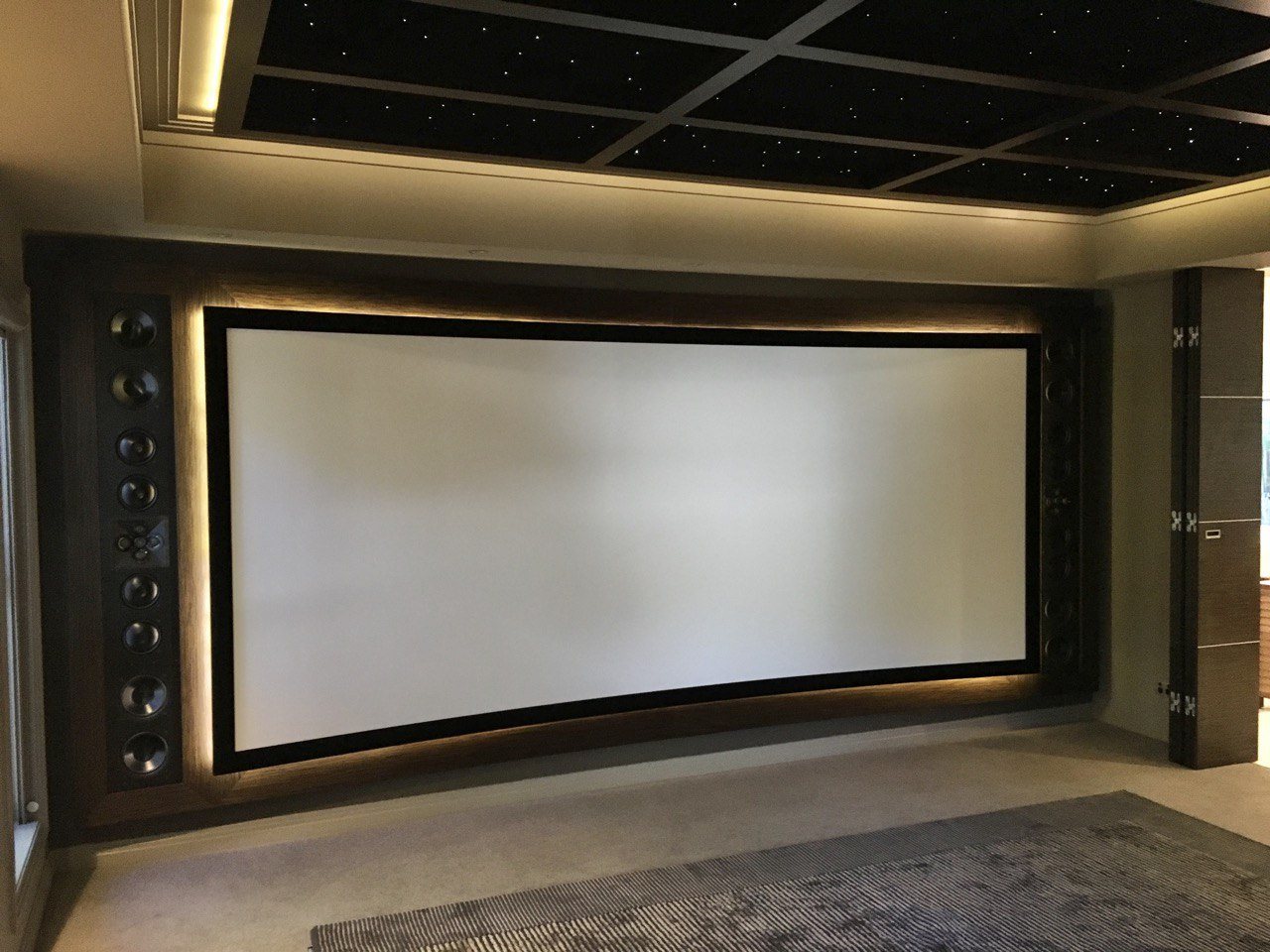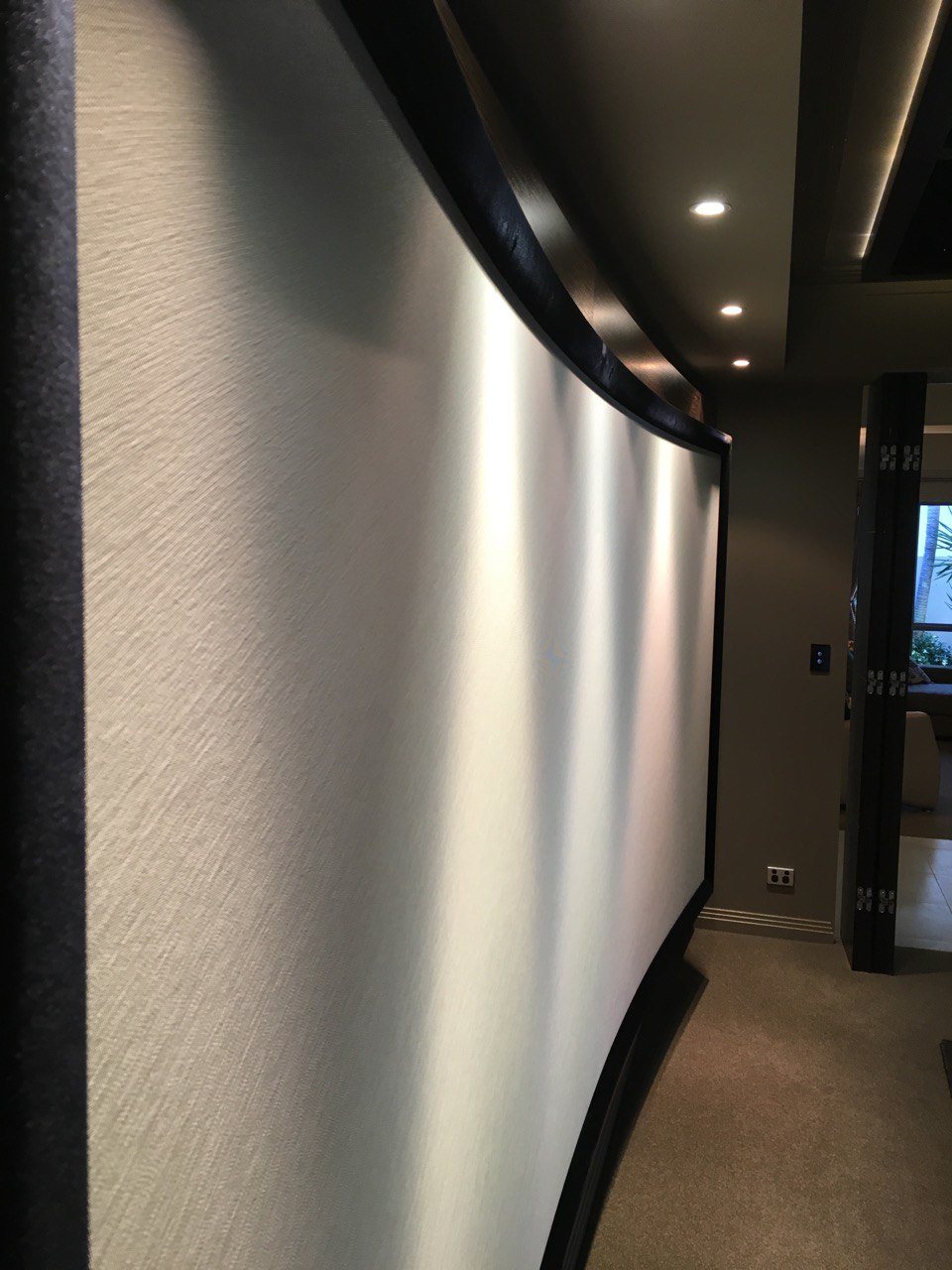
The other half of the picture
Screen Tech
Projection is made up of two key components, the projector and the screen. Read below to learn more.
Screen materials – gain and frame surrounds
Screen gain is the measurement of the screen’s reflectivity. It has a reference standard against which gain is measured, that being magnesium oxide (plaster). This is a zero gain diffuse material which measures 1.0, meaning it has no gain at all. For home theatre applications, the sweet zone is 1.1 to 1.4. Any higher than 1.4 and the surface can glare or hot spot. Any lower than 1.1 and the image can appear quite dull and lifeless, which can be likened to using a sheet on a wall instead of a quality screen like our Majestic Screen. Reflective screen materials are the most commonly used in home theatre applications. Here at Oz Theatre Screens we utilise only the best components on our screens, including exclusive use of the blackest material in the world, black Fidelio Velvet, which is made in the USA by JB Martin.
The idea of a disappearing screen is ultimately what you want to achieve. Reflections coming off the frame, visible grain or texture on the screen surface are what should be avoided. Projectors today are anomaly free so best to keep them looking that way when in operation. This is the reason we designed and produce our Majestic range of dedicated screens with five different screen material choices: Evo Ultra 4K matte white, Evo Ultra Grey 4K for rooms and commercial applications with ambient light present, Acoustic Vision 4K for behind-the-screen speaker placement, and Optema rear projection for commercial applications. Our new Dayfire ALR material joins the range for rooms where ambient light is a problem.
In short, the most important factors are a screen surface without hot spotting or any texture, combined with the right gain and colour temperature and the blackest possible frame to absorb the soft overscan edge from the projector and to enhance the contrast.
For screen sizes, seating distances and formats, download our basic printable screen and room tech and tips guide (PDF). It covers screen formats, how to choose them, seating distances, screen gain, textures, finishes, velvet frames, ambient light, and room colours and paints to use in your cinema room. Full size tables are on the Screens for Sale page.
Made in Australia
Lifetime Warranty on all Majestic Screens! We stand behind our product, and after more than twenty years we could not be more proud to still be manufacturing right here on our shores! All parts we use to manufacture our screens are sourced from other Australian businesses, from our alloy to our packaging. Moving offshore is the easy way out. We have full quality control over our screens and can build any custom size or format down to the millimetre at no extra cost.
You don’t need a dedicated cinema room
You do not need a dedicated cinema room to enjoy a projector and screen. It is true that any display device will work best with the lights off in a dark room, but it is not essential today with projectors gaining in brightness. Using blockout curtains and blinds can greatly increase your on-screen image quality. Black walls and ceilings are not essential unless you have a dedicated room.
Seeing is believing
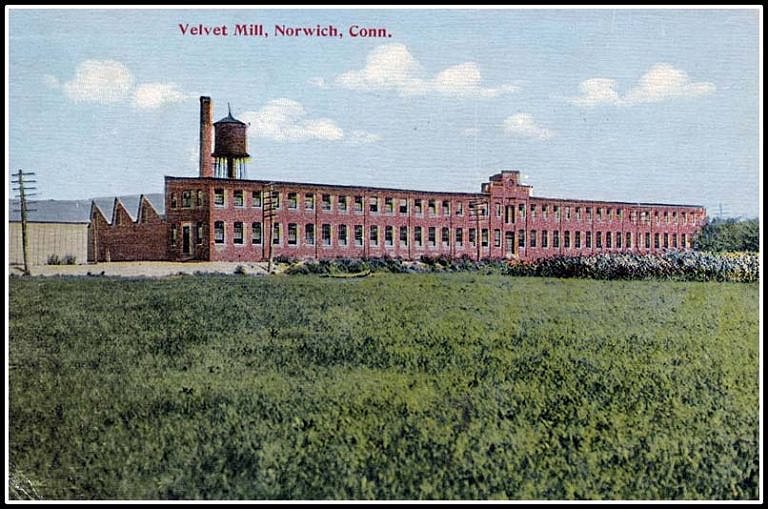
Tucked away in rural Leesville sits a 220,000-square-foot facility manufacturing a material with a truly global footprint. For more than six decades, the JB Martin factory has specialized in producing plush, high-pile velvet. This premium textile has gone on to grace prestigious fashion runways, historic theatres, performing arts centres, luxury hotels, and even castles across the world.
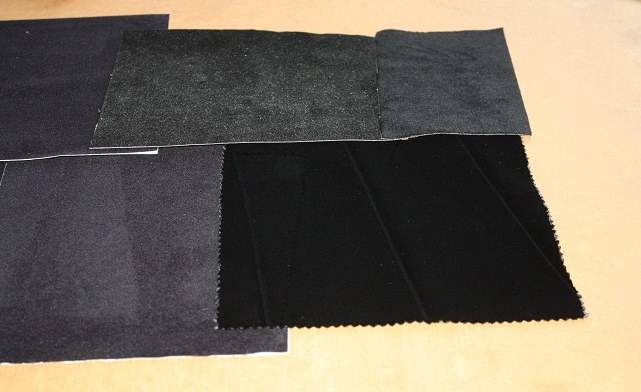
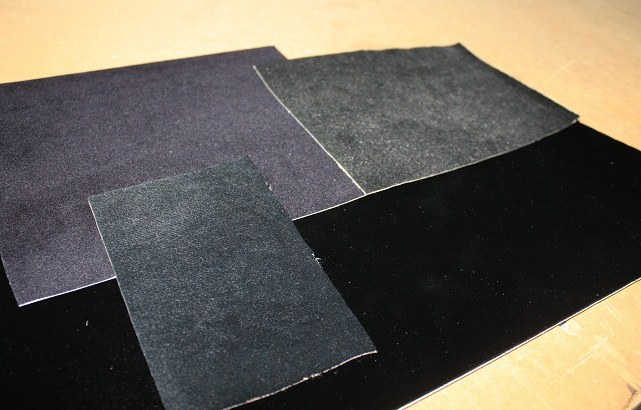
Fidelio Velvet is used exclusively on our range of Majestic Screen Frames – For the ultimate light eraser, there is only black Fidelio Velvet!
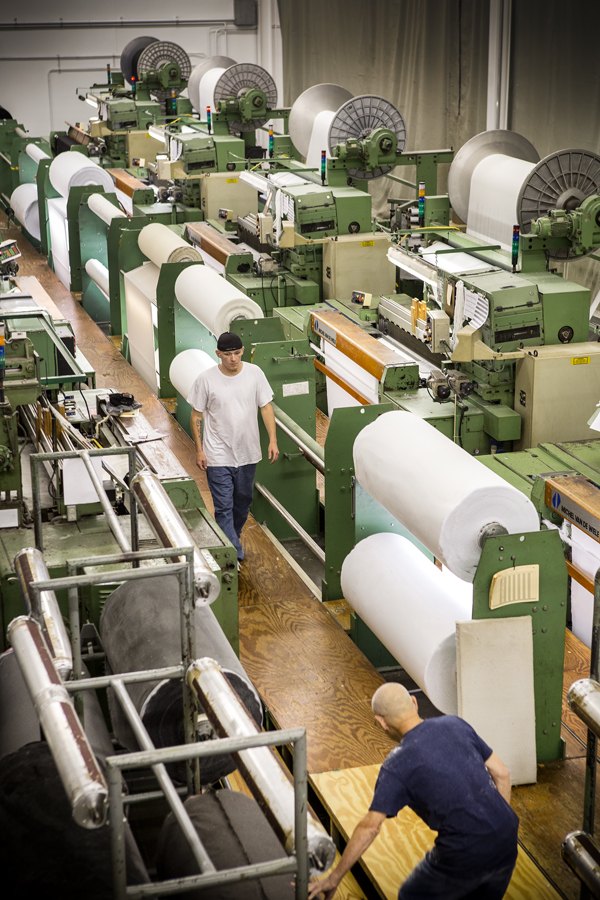 Velvet looms on the factory floor at JB Martin.
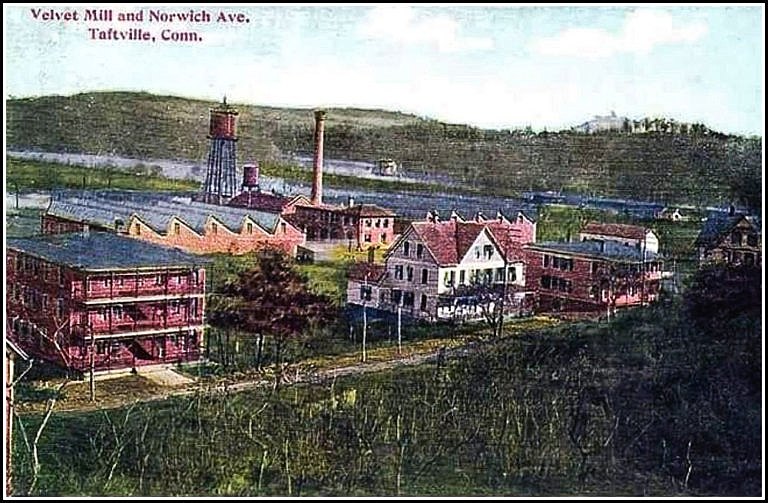 1898-1938 J.B. Martin Velvet Mill
Oz Theatre Screens is the only company producing cinema screens using real velvet on our frames.
Precision Engineering
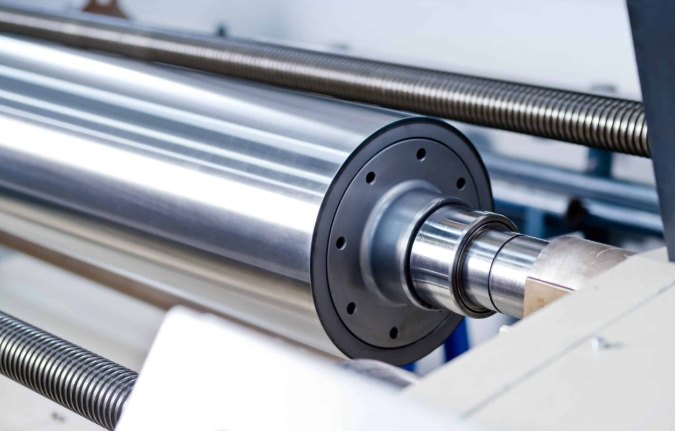 State of the art facilities in Europe produce our exclusive cinema screen foils
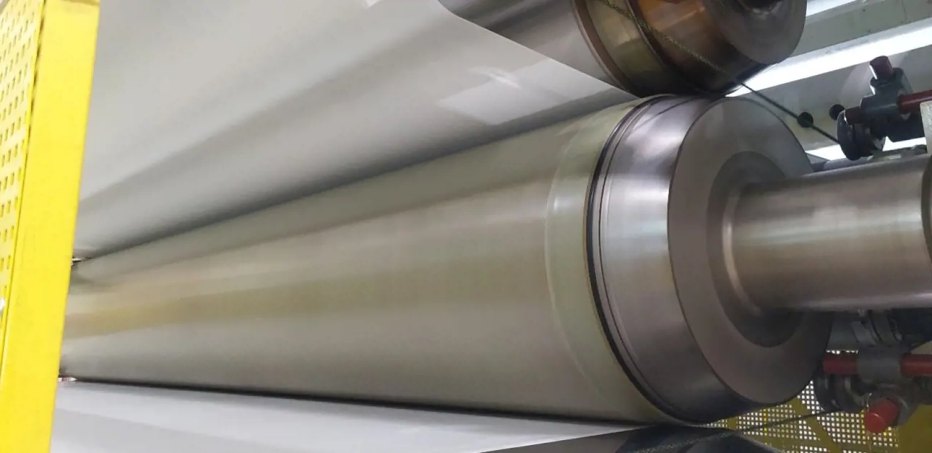
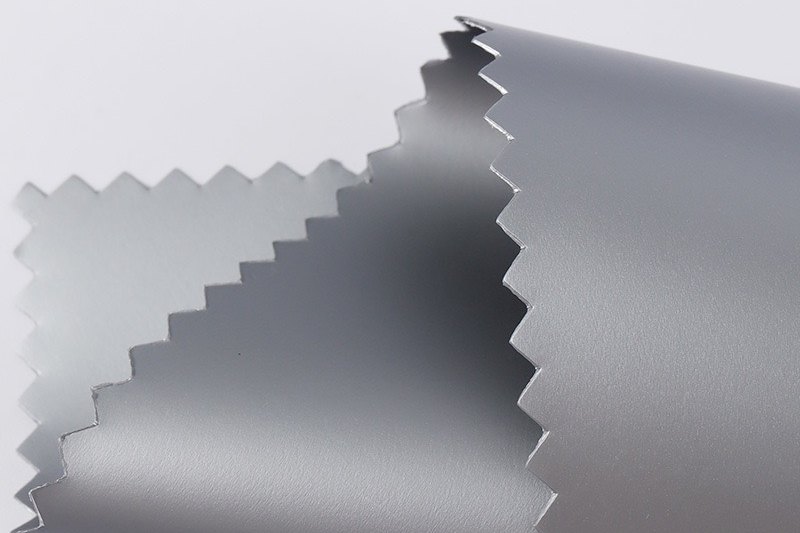 We sourced only the best of the best cinema foils from aroun
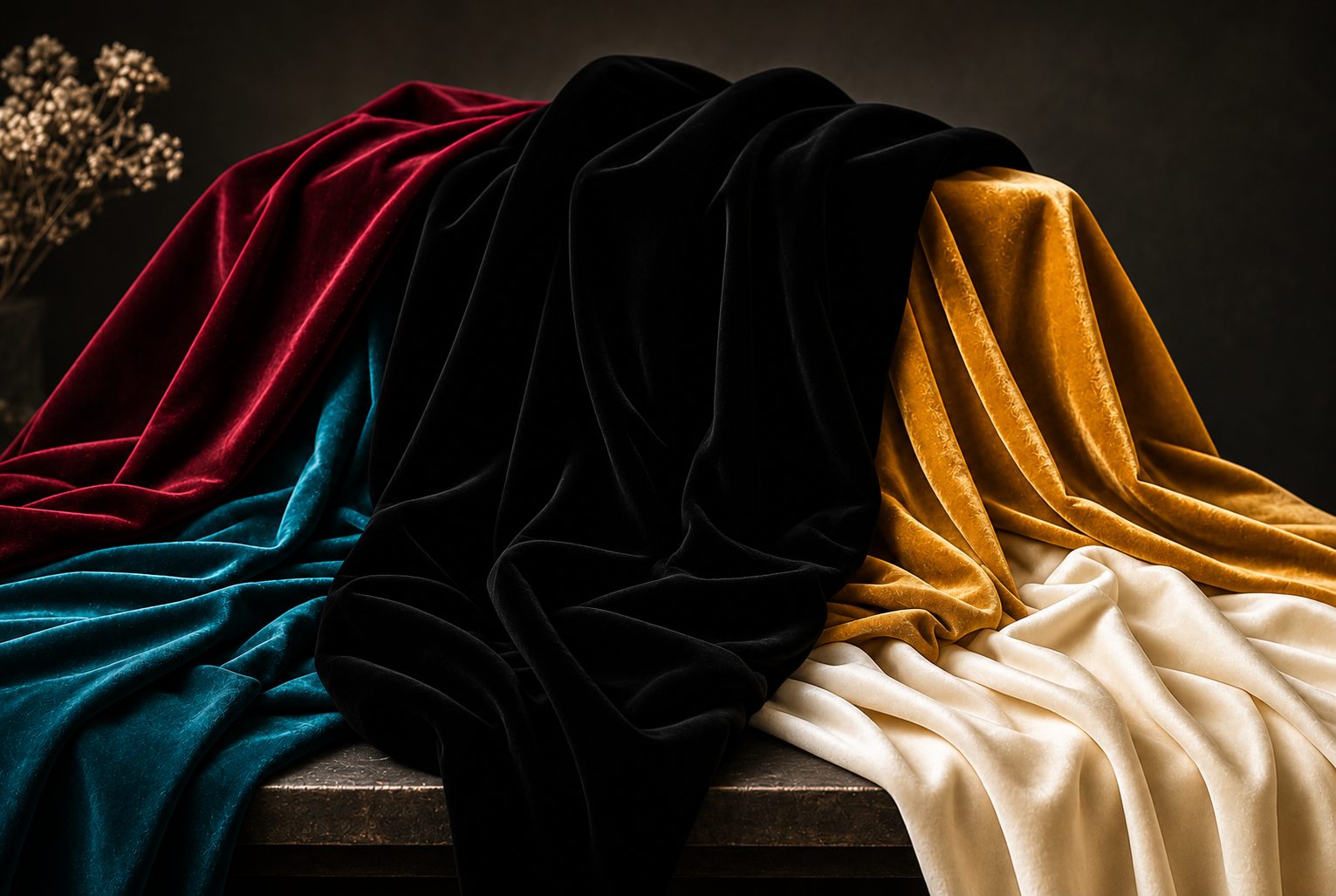 Dye masters at JB Martin achieve Fidelio velvet’s legendary 99.7% light absorption by cross-dyeing a hybrid 70% Acetate / 30% Rayon fiber blend with specialized multi-pigment recipes that chemically neutralize color undertones, creating a flawless optical maze that completely swallows projector light scatter.
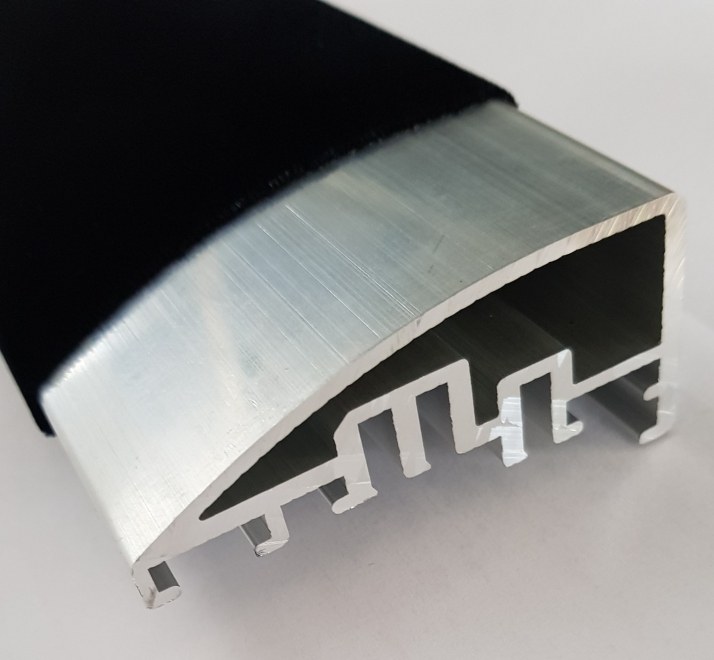 Razor sharp and accurate 6063 T6 Australian extruded alloy with dual wall thicknesses. Custom frames can be made to the millimetre.
Custom curved wall